
Women’s History Month
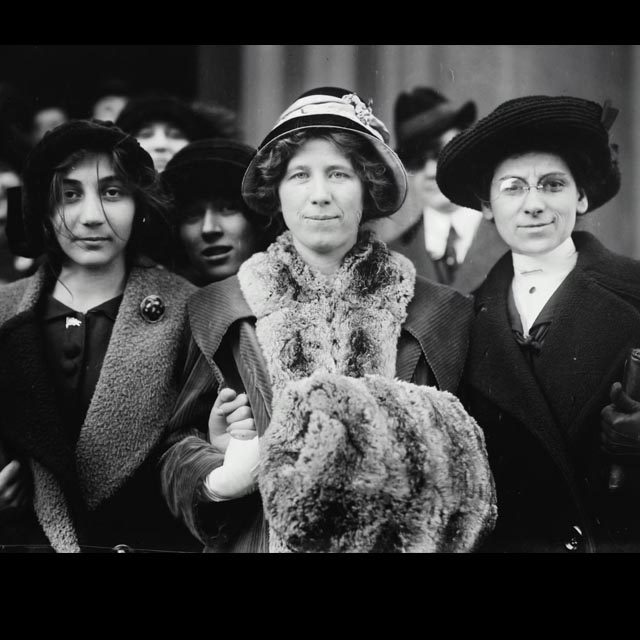
Each March, the United States celebrates Women’s History Month—an annual observance established by presidential proclamation to recognize the vital achievements and impact of women throughout the nation’s history.
The roots of Women’s History Month trace back to 1978 in Santa Rosa, California, when the Sonoma County Commission on the Status of Women launched the first “Women’s History Week.” They intentionally aligned the celebration with March 8, International Women’s Day. The idea quickly resonated, inspiring communities across the country to host similar events.
March 2 — Purim begins at Sunset (Judaism)
March 4 — Hali (Hinduism)
March 8:
- Daylight Savings time change
- International Women’s Day
The International Women’s Day theme for 2026 is Give To Gain. This year’s campaign champions generosity as a pathway to gender equality. By embracing collaboration and reciprocity, individuals, organizations, and communities help create more opportunities for women to thrive. When women rise, everyone benefits.
March 10 — Harriet Tubman Day
March 13 — First Day of Deaf History Month
March 21:
- World Down Syndrome Day
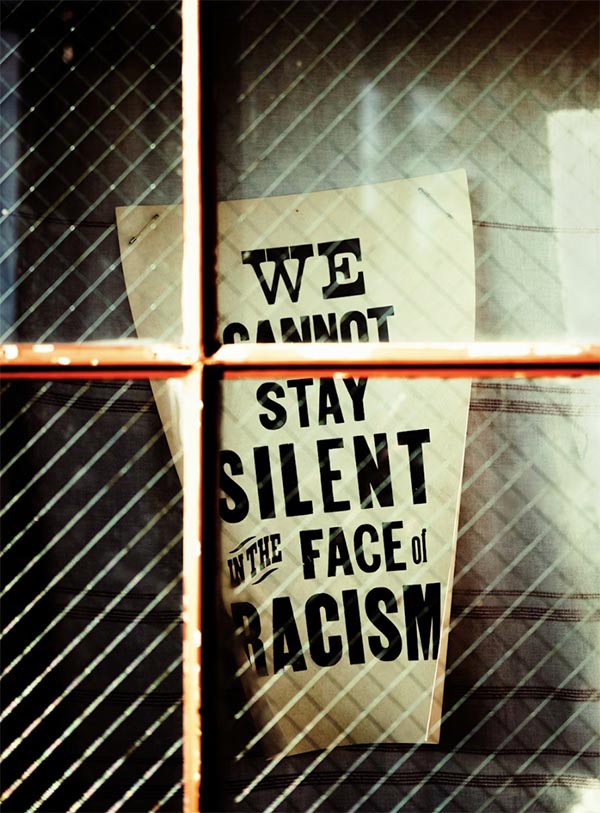
- International Day for the Elimination of Racial Discrimination
The International Day for the Elimination of Racial Discrimination is observed annually on March 21 to commemorate the 1960 Sharpeville massacre in South Africa, where police killed 69 people protesting apartheid “pass laws”. Proclaimed by the UN in 1966, it calls for global efforts to combat racism, xenophobia, and related intolerance.
March 22 — World Water Day
March 31 — Cesar Chavez Day
We celebrate this day in honor of Cesar Chavez, a civil rights activist and union leader supporting migrant farm workers and their families in California. He fought and advocated for addressing the injustices and hardships of migrant workers across the state and country. Children’s books about Cesar’s journey include Harvesting Hope, A Picture Book of Cesar Chavez, and Let’s read about… César Chávez.
Note: As educators, we promote family inclusion in selecting holidays to celebrate,
valuing respect for all, and opportunities to learn about new and different holidays.
