
National Arab American Heritage Month
Books for Early Readers (pre-k through 3rd grade)
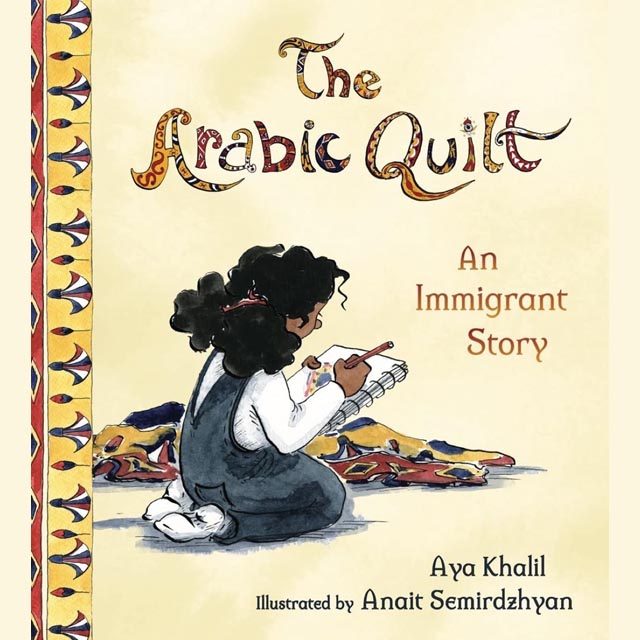
- The Arabic Quilt: An Immigrant Story, by Aya Khalil; illustrated by Anait Semirdzhyan
- Building Zaha: The Story of Architect Zaha Hadid, by Victoria Tentler-Krylov
- The Butter Man, by Elizabeth Alalou and Ali Alalou; illustrated by Julie Klear Essakalli
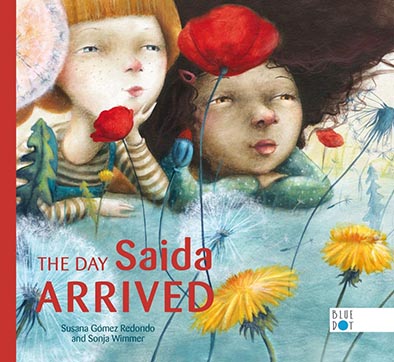
- The Day Saida Arrived, by Susana Gómez Redondo; illustrated by Sonja Wimmer
- Hands Around the Library: Protecting Egypt’s Treasured Books, by Susan L. Roth and Karen Leggett Abouraya
- Lailah’s Lunchbox: A Ramadan Story, by Reem Faruqi; illustrated by Lea Lyon
- Loujain Dreams of Sunflowers: A Story Inspired by Loujain Alhatloul, by LIni al-Hathloul and Uma Mshra-Newbery; illustrated by Rebecca Green
- One Wish: Fatima al-Fihri and the World’s Oldest University, by M.O. Yuksel; illustrated by Mariam Quraishi
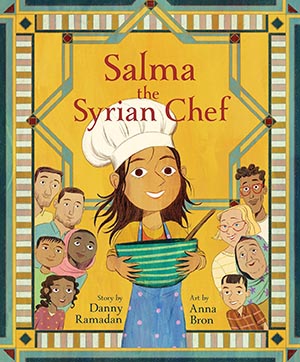
- Salma the Syrian Chef, by Danny Ramadan; illustrated by Anna Bron
- The Story of Hurry, by Emma Williams; illustrated by Ibrahim Quraishi
April 1:
- First day of National Poetry
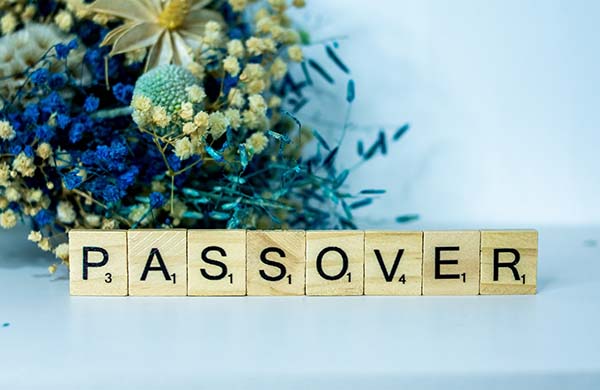
- First day of Passover, starting at sundown
Passover is a Jewish holiday commemorating the emancipation of Jewish people from slavery. The Homeschool Mom website provides free resources such as lesson plans and activities for children of all ages.
April 3 — Good Friday (Christian)
April 5 — Easter (Christian)
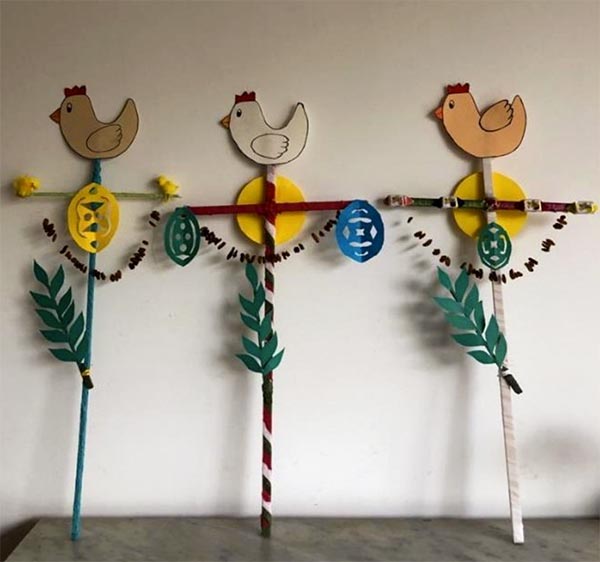
Easter is a Christian holiday that celebrates the resurrection of Jesus Christ from the dead, which Christians believe occurred three days after his crucifixion. It is considered the most important holiday in Christianity, symbolizing new life, hope, and renewal. Easter is observed on a Sunday in spring, with the date changing each year. Many people also celebrate with cultural traditions such as Easter eggs, baskets, “rooster on a stick,” to represent new life and rebirth.
April 7 — World Health Day
April 14 — Valsakhi (Silkh)
April 22 — Earth Day
April 26 — Anniversary of the Chernobyl Nuclear Plant disaster
April 30 — International Jazz Day
Jazz day was chosen for several reasons. The United Nations Educational, Scientific and Cultural Organisation (UNESCO), provided the following examples:
- Jazz doesn’t belong to just one group of people. Instead, it transcends barriers and nurtures mutual acceptance by reducing tensions between people as well as fostering equality
- Jazz is often used as a symbol of peace, unity and freedom of expression
- Jazz strengthens young people’s role in social change
- Jazz encourages creativity, innovation, inclusion and improvisation
- Jazz stimulates dialogue between different groups of people
Note for readers of the newsletter: As educators, we promote family inclusion in selecting holidays and celebrations, valuing respect for all, and opportunities to learn about new and different ones.
